


Introduction
Mould and condensation are among the most common and persistent problems in UK homes. With high humidity, older housing stock, and increasingly airtight properties, many households struggle with damp walls, black mould, musty smells, and health concerns. Understanding why condensation forms and how to control indoor moisture is essential to creating a healthier, more energy-efficient living environment.
This guide explains the root causes of condensation in UK homes and explores modern, energy-efficient solutions, including R290 compressor dehumidifiers and advanced ventilation strategies.
Why Condensation Is So Common in UK Homes
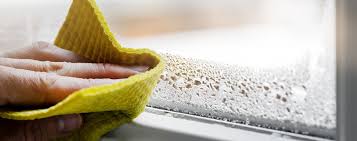
Condensation occurs when warm, moisture-laden air comes into contact with colder surfaces such as windows, walls, or ceilings. UK homes are particularly vulnerable due to:
-
Cool, damp climate
-
Limited natural ventilation in winter
-
Solid brick walls in older properties
-
Increased insulation without humidity control
-
Everyday moisture from cooking, showering, drying clothes indoors
Unchecked condensation creates the ideal environment for mould spores to grow.
The Health and Structural Risks of Mould Persistent mould isn’t just cosmetic. It can cause:
-
Respiratory issues and asthma flare-ups
-
Allergies and skin irritation
-
Damage to plaster, paint, and furnishings
-
Reduced indoor air quality
-
Long-term property degradation
For families, renters, and landlords, mould prevention is both a health priority and a financial necessity.
Why Opening Windows Isn’t Enough
While opening windows helps temporarily, it is not a reliable solution in the UK. During colder months, outdoor air often contains high moisture levels, and heat loss leads to higher energy bills.
Modern homes require controlled humidity management, not uncontrolled ventilation.
The Role of Dehumidification in Condensation Control
The most effective long-term solution is removing excess moisture directly from the air.
Compressor Dehumidifiers Explained
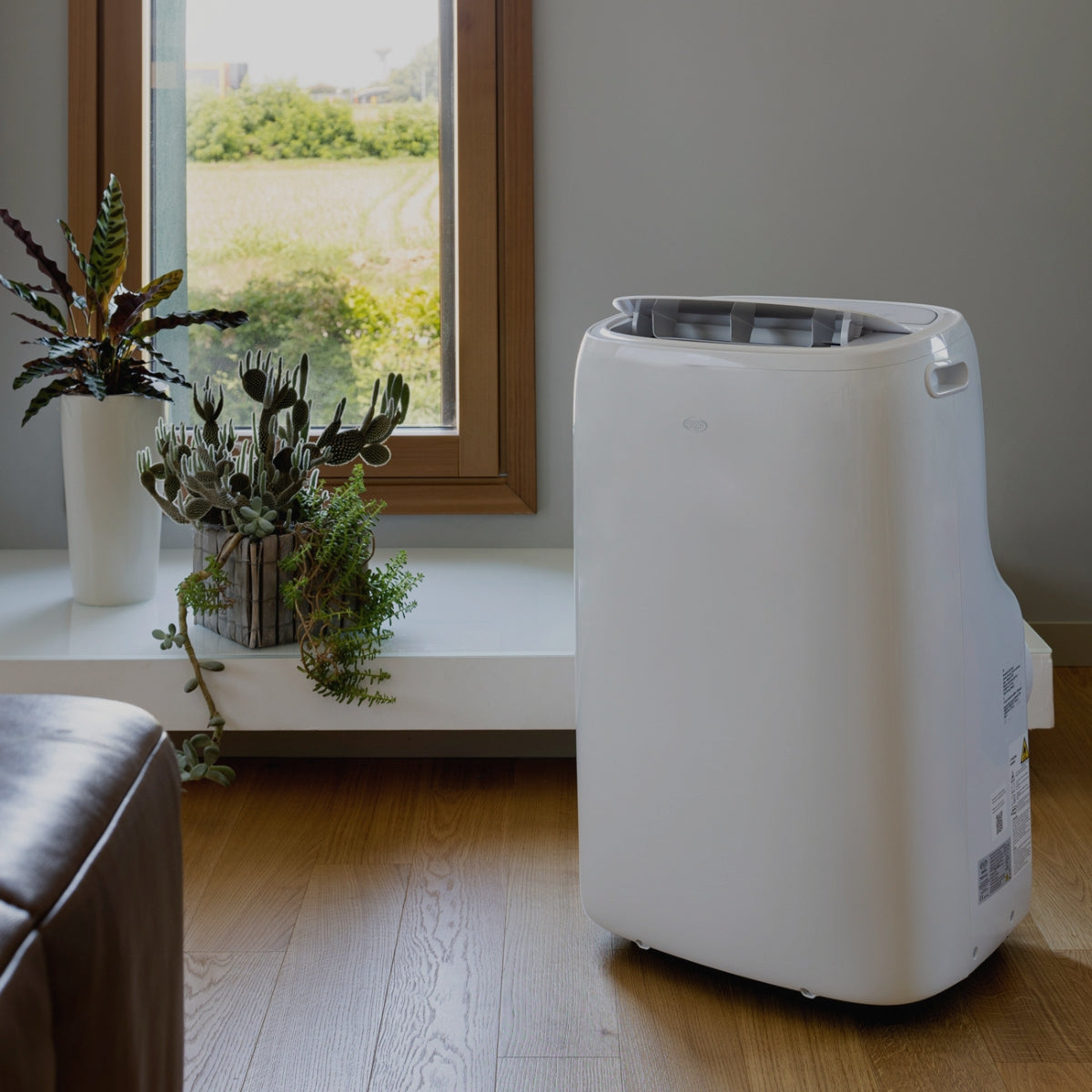
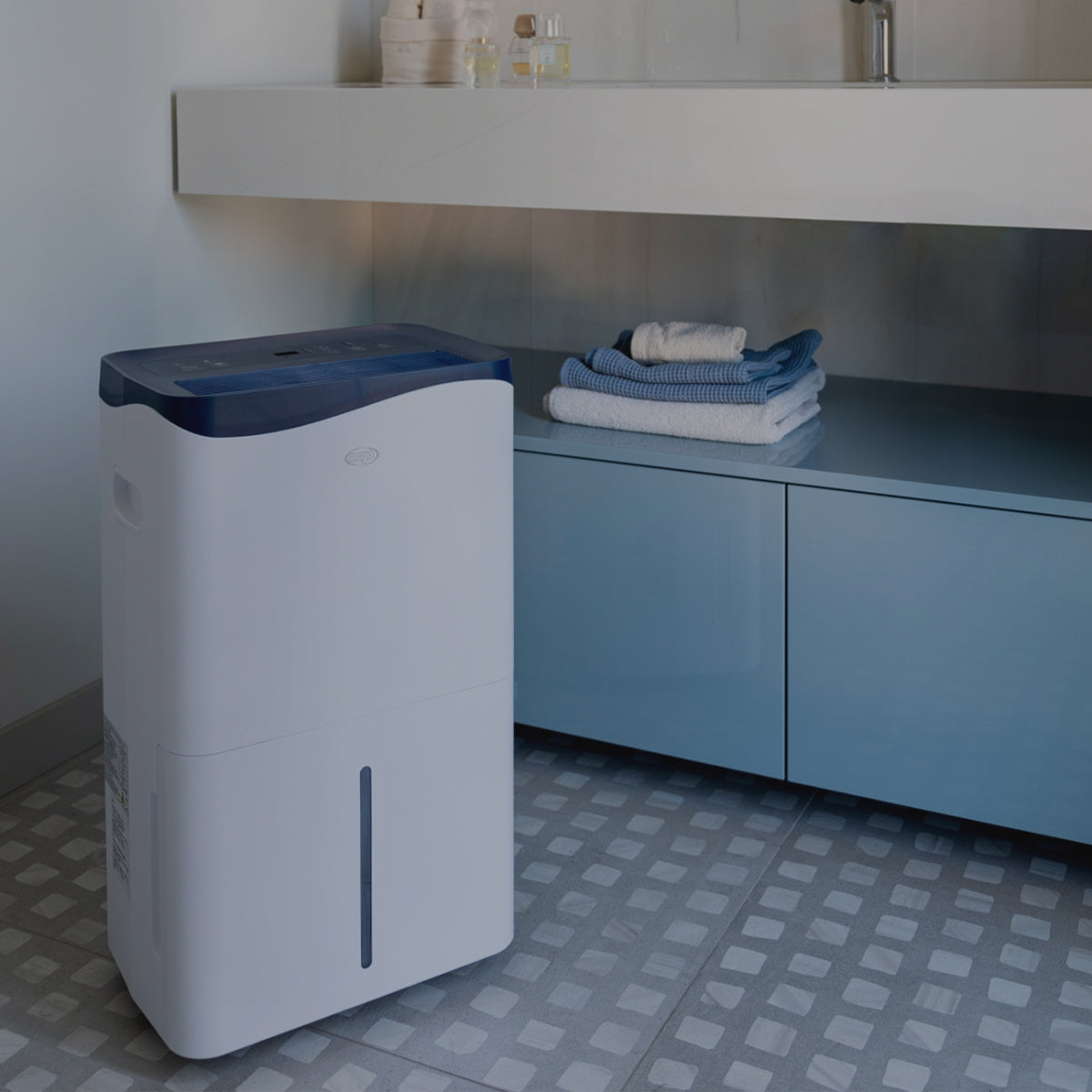
Unlike desiccant models, compressor dehumidifiers actively extract water vapour and are ideal for whole-room moisture control.
R290 hydrocarbon dehumidifiers offer additional advantages:
-
Low global warming potential
-
High energy efficiency
-
Quiet operation
-
Suitable for year-round UK conditions
- Advanced Dehumidifiers with Air Purification
Newer models combine humidity control and air purification, addressing two problems at once:
-
Excess moisture
-
Airborne pollutants and mould spores
These systems use HEPA filtration to capture:
-
Mould spores
-
Dust mites
-
Pollen
-
Fine particulates
This is particularly beneficial for allergy sufferers and families with children.
- Best Rooms to Use Dehumidifiers
-
Bedrooms (to reduce overnight condensation)
-
Bathrooms (post-shower moisture)
-
Kitchens (cooking humidity)
-
Utility rooms (indoor laundry drying)
- Basements and converted garages
-
Energy Efficiency and Running Costs
Modern R290 compressor dehumidifiers are designed to operate efficiently, often costing just pennies per hour to run while preventing thousands of pounds in future repairs.
Additional Steps to Reduce Condensation
-
Use extractor fans consistently
-
Avoid drying clothes indoors without dehumidification
-
Maintain even indoor temperatures
-
Seal cold bridges where possible
-
Ensure furniture isn’t blocking airflow
Why Natural Refrigerants Matter
Traditional dehumidifiers often use F-gas refrigerants with high environmental impact. R290 natural refrigerants offer:
-
Minimal climate impact
-
Compliance with future UK regulations
-
Improved efficiency
-
Reduced long-term ownership risk
FAQs
What humidity level should UK homes aim for?
Between 40–60% relative humidity to prevent mould and maintain comfort.
Are dehumidifiers better than ventilation systems?
They work best together, but dehumidifiers offer direct moisture control without heat loss.
Is R290 safe for home use?
Yes. R290 is widely approved for domestic appliances and used globally in refrigeration.
Can dehumidifiers help with mould already present?
They prevent further growth but existing mould should be professionally cleaned.
Conclusion
Reducing mould and condensation in UK homes requires more than short-term fixes. Energy-efficient dehumidification using R290 technology, combined with smart ventilation habits, provides a long-term, sustainable solution that protects health, property, and energy bills.

Leave a comment
This site is protected by hCaptcha and the hCaptcha Privacy Policy and Terms of Service apply.